
In yogic philosophy, yoga is not only limited to attaining a healthy physical physique, but it plays a major role in mastering the mind, body and soul. Raja Yoga is called to be supreme as it is a traditional spiritual yoga approach that is widely practiced by yoga practitioners to attain moksha.
The famous book “Raja Yoga” by Swami Vivekananda emphasizes on the importance of the Raja Yoga philosophy. The powerful philosophy Raja Yoga by Swami Vivekananda gained global recognition by introducing ancient wisdom to the modern world.
Through mental mastery, Raja Yoga helps practitioners to control their mind, thoughts and emotions. It mainly focuses on meditation, mental discipline, awakening awareness to seek enlightenment.
What is Raja Yoga?
The word “Raja” in Raja Yoga means “King”, so it is recognized as the “King of yogas”. Raja Yoga is also known as the “Royal Paths” or “Ashtanga Yoga”. It is a classical path of yoga which is the supreme path that emphasizes control of the mind.
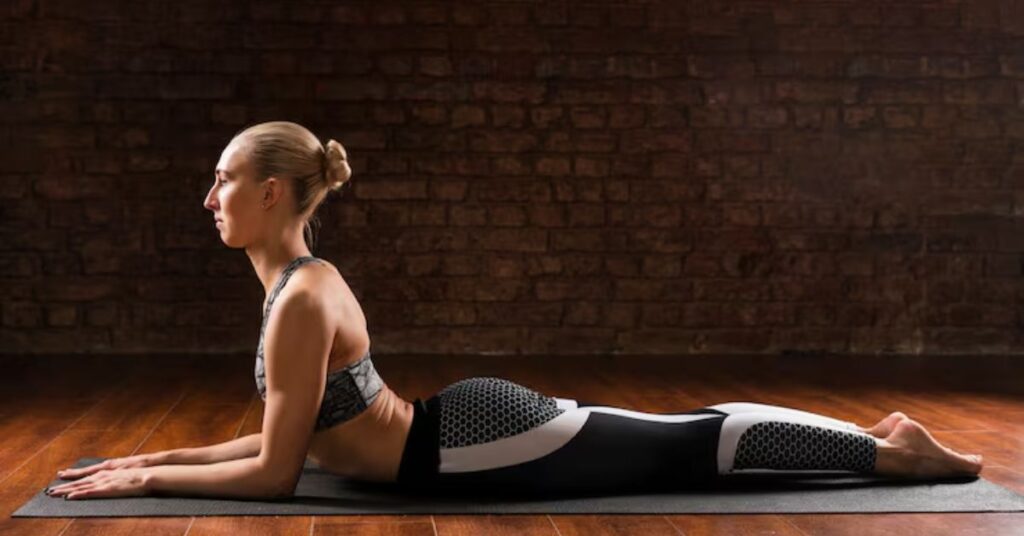
Raja Yoga is based on the teachings of Patanjali in the Yoga Sutras of Patanjali. It is recognized to be the highest state of yoga practices that leads towards a state of internal peace. The primary focus of Raja Yoga is to transform the mind and consciousness through meditation. It is an ideal choice for people who seek for mental clarity, inner peace and spiritual awakening & emotional growth.
These are mainly focus Raja Yoga steps:
- “Dhyana” which means “Meditation”.
- “Dharana” which means “Concentration”.
- “Pranayama” which means “Breath control”.
- “Yama & Niyama” which means “Ethical discipline”.
- “Samadhi” which means “Self-realization”.
The Eight Limbs of Raja Yoga (Ashtanga Path)
These eight limbs are the roadmap to attain the highest state of consciousness by which one can master mental stability through Raja Yoga. These practices are compiled by the sage Patanjali in the Yoga Sutras by breaking yogic meditation into 8 sub practices. These 8 instructions are practiced for thousands of years by yoga gurus to attain inner peace and mental clarity.
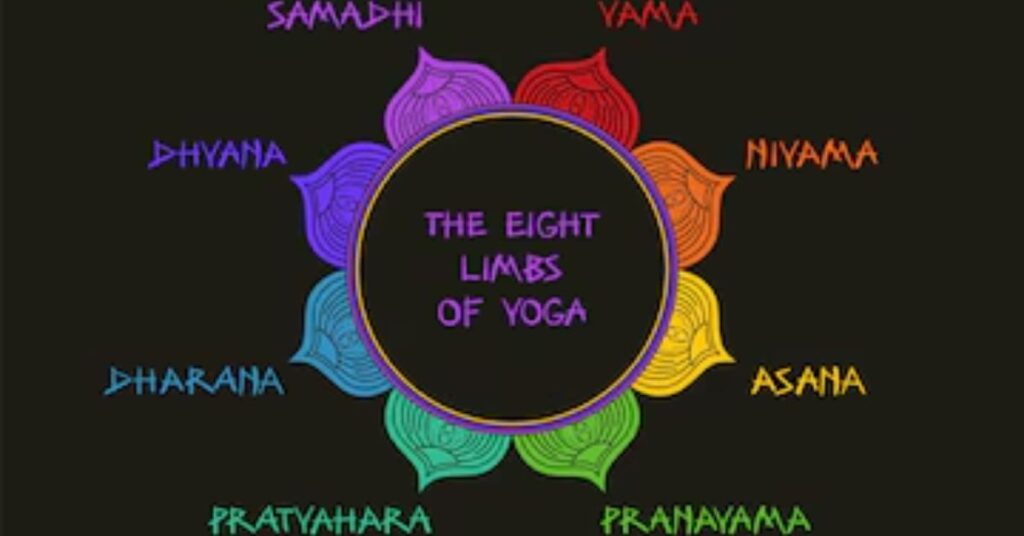
Following are the eight limbs of Raja Yoga that forms the foundation:
1. Yama:-
It refers to the inner qualities that focus on the “right conduct” and to improve self-control. It mainly consists of 5 main principles that contribute to shaping our thoughts, words, and actions. By practicing this, a yogi can purify the mind gradually with clarity and harmony towards your own self and towards others as well.
- Ahimsa– It symbolises non-violence in thought, in your speech as well as in your action.
- Satya– It symbolises to follow the path of honesty, truthfulness and authenticity.
- Asteya– It reflects the idea of non-stealing that is to live with fairness and integrity.
- Brahmacharya– It reflects the idea of following the desires between wants or needs that is the wise use of energy.
- Aparigraha– It teaches us not to hold on to the things or others, that is to live freely, freedom from attachments.
2. Niyama:
It refers to the daily habits of a person that is what rules or approach you follow in your day to day life.These are further sub-divided into:
- Saucha– It means to live with purity and cleanliness not only externally but internally too. From our external hygiene to internal mind purity and thoughts clarity, it teaches us to live with purity in heart, mind and with soul.
- Santosha– It leads us to the path of contentment and acceptance. Our real inner wealth is to be acceptable and content with what you have or possess.
- Tapas– It teaches us to stay consistent with dedication and self-discipline no matter what life obstacles come along. It gives you the strength to not give up and stay dedicated towards your goal.
- Swadhyaya– It teaches us to gain valuable knowledge and wisdom through self-study and to study the reflection of life’s learnings.
- Ishvara Pranidhana– It signifies to surrender ourselves to our higher selves that is to the divine God. To understand that we are all God’s child and every problem should be surrendered to him with hope & faith and whatever you do, you must do it with pure devotion and hand it over to God.
3. Asana:-
In modern yoga classes, asana usually refers to the body postures or yoga poses. But in Raja Yoga, asana means to find a comfortable and steady seated position or posture that makes your body feel relaxed.
The main purpose of this step is to:
- Stabilise the physical body to strain mental focus with physical stability.
- It reduces physical agitation when practiced.
- It supports longer meditation time being comfortable and steady.
4. Pranayama:-
Pranayama means to work on your breath control. It plays an important role to attain mental calmness. Because slow controlled breath practices help us to release external distractions and destructive emotions with pure focus on breathing which directly leads to controlling the nervous system and gradually the mind becomes calmer.
5. Pratyahara:-
Once the mind and breath is controlled, it leads to focus on the inner world from the outer world. Pratyahara helps to withdraw the senses of external distractions. It helps to focus on resting the mind and inwarding direct awareness of mind restlessness and calmness.
6. Dharana:-
After withdrawing the senses, the mind gradually starts learning to “focus” which is “dharana”. Where your mind is concentrating on inner awareness and has cut-off external pull and the only goal is to hold attention at one point. This practice not only helps in strengthening concentration power but it improves mental awareness which is the key foundation for raja yoga meditation.
7. Dhyana:-
After dharana, your mind no longer conflicts to attain calmness, this is where dhyana steps in. Dhyana means meditation where there are no outer distractions, high awareness, mind calmness and inner stillness.
8. Samadhi:-
It is the stage of realisation where you reach the state of “inner bliss” where you have found liberty that is liberation from external fluctuations and reach a state of mental clarity, emotional stability and mind awareness.
Also Go Through:- 100 Hour Yoga Teacher Training In Rishikesh
Benefits of Practicing Raja Yoga
The benefits of Raja Yoga are not only limited to the physical body but it has tremendous effects on our mind, body and soul as well.
Mental Benefits
- It helps in improving concentration.
- It reduces mental stress and anxiety.
- It serves the emotional stability.
- It provides better sleep quality.
Physical Benefits
- It helps in balancing the nervous system.
- It improves breathing control.
- It helps in relaxing muscular tension.
Spiritual Benefits
- It helps in building self-awareness.
- It leads to attain inner peace.
- Helps to reach higher consciousness.
- Provides liberation from external obstacles and mental suffering.
How to Practice Raja Yoga?
These Raja yoga steps are important to be followed no matter even if you are experienced or beginners. Step by step rules to practice Raja yoga for beginners are as follows:
Step 1: Start with Yama and Niyama, which is ethical awareness to work with your personal inner character.
Step 2: Choose a quiet place and sit comfortably in a steady position with meditation posture that is in Sukhasana or Vajrasana.
Step 3: Do practice Pranayama for 10 to 15 minutes with slow and deep breathing technique.
Step 4: Do Practice Dharana by withdrawing attention inward and focussing on one object.
Step 5: Naturally allow yourself to move into the meditation phase that is Dhyana.
Step 6: Live ethically by following Yama and Niyama mindfully in your daily practices.
Step 7: As consistency matters the most to live the Raja yoga goals, so practice these steps prioritizing consistency over duration to attain Samadhi (the final stage of self awareness, mind clarity and inner peace).
Go Through:- 200 Hour Yoga Teacher Training In Rishikesh
Final Thoughts
Raja Yoga in itself is more than a meditation technique which leads to true self-discovery. It is a classic approach and a path to mastering the mind. For decades, the ancient teachings of Patanjali as Raja Yoga continue to guide peace- seekers to achieve higher consciousness.
If you are looking to deepen your meditation practice and explore authentic yogic philosophy, Karmatic Yoga offers a supportive environment to help you integrate Raja Yoga techniques into your daily routine.So, start your life-transforming decision today with Karmatic Yoga.
Frequently Asked Questions (FAQs)
Q. How long should I practice Raja Yoga daily?
A. For beginners, 20-30 minutes daily practice is recommended.
Q. What posture is best for Raja Yoga meditation?
A. Sukhasana or Vajrasana.
Q. What is the ultimate goal of Raja Yoga?
A. To achieve self-realization (Samadhi) and mental mastery.
Q.What are the Pros of Raja Yoga?
A. Raja Yoga improves mental clarity, emotional balance and spiritual growth.
Q. What are the difficulties of Raja Yoga?
A. It requires patience, consistency, and strong mental discipline.