
Since centuries, yoga has been practiced worldwide and evolved into many different styles. Out of all these yoga styles, to choose the most appropriate one is the most difficult dilemma. Both Ashtanga vinyasa yoga and Vinyasa Yoga are the most popular yoga styles followed by both beginners and experienced practitioners.
While both Ashtanga vinyasa yoga and Vinyasa Yoga work for building strength and mindfulness and have the common roots. But the main difference lies in their practice and styles. It becomes really important to understand that even though these vinyasa ashtanga are closely related but have a vast difference.
To choose one out of Ashtanga vinyasa yoga and Vinyasa Yoga, it is important to understand how ashtanga yoga vs vinyasa yoga can be observed in terms of structure, intensity, flexibility, and teaching methodology.
To help you choose the right yoga path, this detailed guide will help you explore the key differences and benefits of both Ashtanga vinyasa yoga and Vinyasa Yoga.
Understanding Ashtanga Vinyasa Yoga and Vinyasa Yoga
1. Ashtanga Vinyasa Yoga
Ashtanga Vinyasa Yoga is a more challenging, structured and traditional style of spiritual yoga practice. In Ashtanga Yoga, sanskrit terms are used from the counting, to instructing and to utilising yoga asanas names in sanskrit.

Sri K. Pattabhi Jois developed Ashtanga Vinyasa yoga based on his teaching of Patanjali’s Yoga Sutras. Ashtanga yoga is also known as 8-limbed yoga and follows an eightfold path. These eightfold paths are described in the Yoga Sutras of Patanjali which includes Yama (Ethical disciplines), Niyama (Personal observances), Asana (Posture), Pranayama (Breathing control), Pratyahara (Sense withdrawal), Dharana (Concentration), Dhyana (Meditation), Samadhi (Enlightenment).
In modern practice, Ashtanga yoga is well- known for:
- Primary Series (Yoga Chikitsa)
- Intermediate Series (Nadi Shodhana)
- Four Advanced Series (Sthira Bhaga)
2. Vinyasa Yoga
On the other hand,Vinyasa Yoga is a more dynamic and free-form style of Ashtanga yoga that evolved from Ashtanga principles. As the name “Vinyasa” in Vinyasa yoga means “to place in a special way,”. It means this yoga should be practiced while linking breath with every movement.
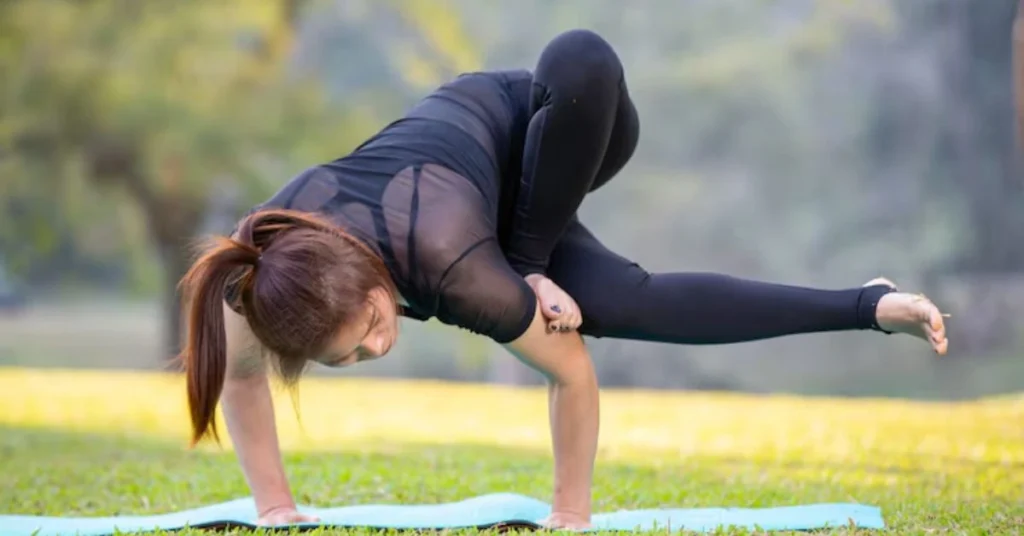
It is called to be a free-form style of Ashtanga Vinyasa yoga because it doesn’t follow a fixed sequence like Ashtanga yoga does. But the beauty of Vinyasa yoga practice lies in its creativity, uniqueness and mixed formations of yoga with breath-based transitions.
Key Differences: Ashtanga Yoga vs Vinyasa Yoga
1. Structure and Sequence
- In terms of structure and sequence, Ashtanga Vinyasa Yoga follows a strict & traditional sequence whereas Vinyasa yoga offers flexibility and creativity.
- In every Asthanga yoga class, students practice the same series in the same order. While in Vinyasa yoga class, every class is different with a variety of sequences.
- The variation in sequence during Vinyasa yoga class is based on themes, peak poses, or energy levels whereas there are 6 series in Ashtanga Yoga which can be progressed after mastering previous poses.
2. Intensity and Physical Demand
- In terms of physical demand, Ashtanga Yoga is physically more demanding whereas Vinyasa Yoga can be gentle as well as intense.
- Ashtanga follows a repetition flow to build strength & stamina while Vinyasa follows a dynamic flow depending on the class level.
3. Teaching Method
- In Ashtanga yoga, classes are often Mysore-style that is “self-practice” with an instructor guide. Whereas in Vinyasa yoga, classes are fully guided by instructors.
- In Ashtanga classes, sanskrit terms are usually used for counting & naming asanas. While in Vinyasa yoga class music is usually played in the background.
- In Ashtanga, a traditional set of pre-defined series of practices are performed whereas in Vinyasa, creativity is encouraged.
4. Repetition vs Creativity
- In the Vinyasa Ashtanga comparison, the biggest difference is repetition versus creativity.
- To master internal awareness, repetition is emphasized more in Ashtanga yoga practice during each class. While creativity in variations, transitions are more appreciated and emphasized in Vinyasa yoga practice.
- Both repetition and creativity are boons in itself. As repetition helps in mastering & progressing, while creativity gives students additional fun to try something unique & engaging.
5. Pace and Rhythm
- Ashtanga yoga follows a constant, steady pace while Vinyasa varies its pace.
- In terms of rhythm,Ashtanga yoga is consistent while Vinyasa yoga is mixed & varied.
Benefits of Ashtanga Yoga vs Vinyasa Yoga
While both Ashtanga Vinyasa yoga and Vinyasa yoga have common roots. Similar to Raja Yoga, Ashtanga yoga follows the eightfold path. But in terms of their differences, Ashtanga yoga and Vinyasa yoga have distinct benefits.
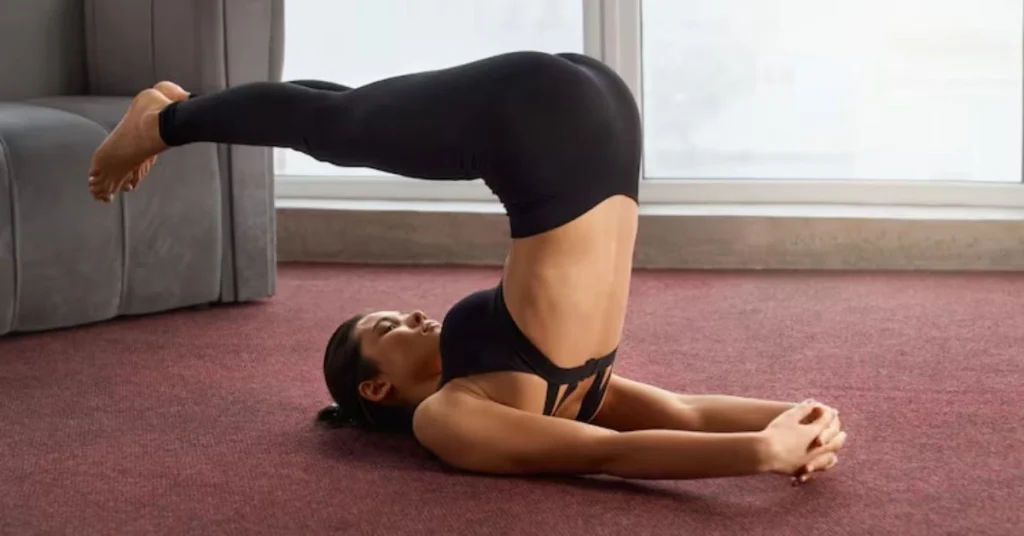
Following are the benefits that can be achieved by practicing these yoga:
- Ashtanga helps in building strength and physical endurance while Vinyasa supports cardiovascular fitness.
- Ashtanga is preferred to enhance body flexibility while Vinyasa helps to enhance creativity.
- Mental awareness and discipline can be achieved from Ashtanga yoga while Vinyasa yoga helps in reducing mental stress.
- Ashtanga yoga encourages controlling deep breath while Vinyasa focuses more on body awareness.
- Ashtanga yoga benefits in terms of spiritual growth while Vinyasa supports fitness seekers.
Which One Should You Choose?
Understanding the common grounds and the differences that lie in Vinyasa Ashtanga, the better choice can be made out of two. Also the personal goals and preferences matters highly when you are choosing between ashtanga yoga vs vinyasa yoga. To start your yoga healing journey, choose the yoga journey that aligns more with your yoga goals.
Choose Ashtanga Vinyasa Yoga and Vinyasa yoga if you prefer following elements:
- Prefer Ashtanga yoga when you are seeking discipline and consistency. Whereas choose Vinyasa yoga when you enjoy variety and creativity.
- Prefer Ashtanga yoga when you enjoy progress with a structured routine. Whereas choose Vinyasa yoga when you enjoy flexibility and uniqueness.
- Prefer Ashtanga Yoga when you want to experience a traditional & authentic form of yoga practice. Whereas choose Vinyasa yoga if your choices are more aligned with modern yoga practice.
- Prefer Ashtanga yoga for more intense physical workout while prefer Vinyasa yoga if you prefer a mixture of gentle and intense yoga practice.
Conclusion
Both Ashtanga Yoga as well as Vinyasa yoga are good in benefitting practitioners physically, mentally, spiritually and emotionally. But what you really need to know is the key difference of Vinyasa Ashtanga to make an appropriate choice that aligns perfectly with your yoga goals.
Consistent practice of both the yoga styles can help you in transforming your life for the better outcome. The choice arises between choosing a traditional static set of repetitive practice or choosing a modern-style creative yoga.
If you want to experience Ashtanga yoga as well as creative Vinyasa yoga, choosing Karmatic Yoga, the best yoga school in Rishikesh will help you live your yoga journey to the fullest. It helps to train students in the most authentic form integrating modern practices with traditional ways. Make your ideal yoga choice today with Karmatic Yoga for a better tomorrow
Frequently Asked Questions
Q. Is Ashtanga Yoga harder than Vinyasa Yoga?
A. Yes, Ashtanga Vinyasa Yoga is generally harder and physically demanding than Vinyasa yoga.
Q. Can beginners practice Ashtanga Yoga?
A. Absolutely yes. Ashtanga yoga is beginner-friendly and can start with the Primary Series.
Q. Is Vinyasa Yoga good for weight loss?
A. Yes, Vinyasa Yoga helps in weight loss by burning calories and improving body metabolism.
Q. Which is better for flexibility: Ashtanga or Vinyasa?
A. Both improve flexibility. Comparatively, Ashtanga yoga helps in gaining flexibility due to its repetitive structure.
Q. What is the main difference between Ashtanga and Vinyasa?
A. Ashtanga follows a fixed sequence. While Vinyasa offers creative and varied flows.
Q. Is Ashtanga Vinyasa Yoga the same as Vinyasa Yoga?
A. No. Ashtanga Vinyasa Yoga is a traditional and structured system. While Vinyasa yoga is a modern & flexible style inspired by Ashtanga.
Q. How many times a week should I practice Ashtanga Yoga?
A. Ashtanga yoga should be practiced 5–6 days per week.
Q. Which yoga style is more traditional?
A. Ashtanga Vinyasa Yoga is more traditional compared to Vinyasa yoga.
Q. Can a practitioner switch between Ashtanga and Vinyasa Yoga?
A. Yes, many practitioners combine both styles to balance discipline with creativity.
Read Post :-